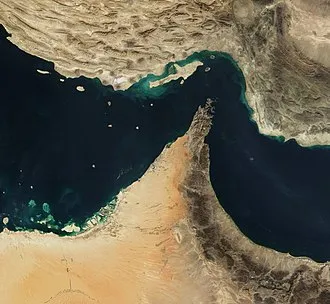
Bitcoin is holding steady around $67,500 despite intense geopolitical uncertainty tied to U.S.–Iran tensions. Markets reacted positively after Donald Trump signaled he may seek to end the conflict—even while the critical Strait of Hormuz remains closed, keeping oil markets on edge.
The situation has created a fragile balance: equity futures are rising and risk appetite is improving, yet the unresolved blockade of Hormuz continues to threaten global energy supply and inflation. This tension is spilling into crypto markets, where Bitcoin is showing resilience compared to traditional assets.
Analysts say Bitcoin’s stability reflects a “wait-and-see” mood among investors, as traders hesitate to make large moves until there’s clarity on whether the conflict will escalate or de-escalate. At the same time, macro factors—especially oil prices and geopolitical risk—are driving short-term price swings.
In short, Bitcoin is stuck in a holding pattern: supported by easing war rhetoric, but capped by lingering uncertainty. Its next major move will likely depend not on crypto fundamentals—but on geopolitics.