At first glance, before the war, global oil markets appeared stable, with shipments continuing and supply chains intact. However, behind the scenes, logistical pressures were beginning to build. Rising regional tensions and risks to key shipping routes—particularly around the Persian Gulf—started to complicate normal export patterns.
As uncertainty grew, concerns emerged over potential disruptions to one of the world’s most critical oil transit corridors. Tanker movements slowed, and alternative routes became increasingly important. Energy markets watched closely, aware that even minor interruptions in this region could ripple globally.
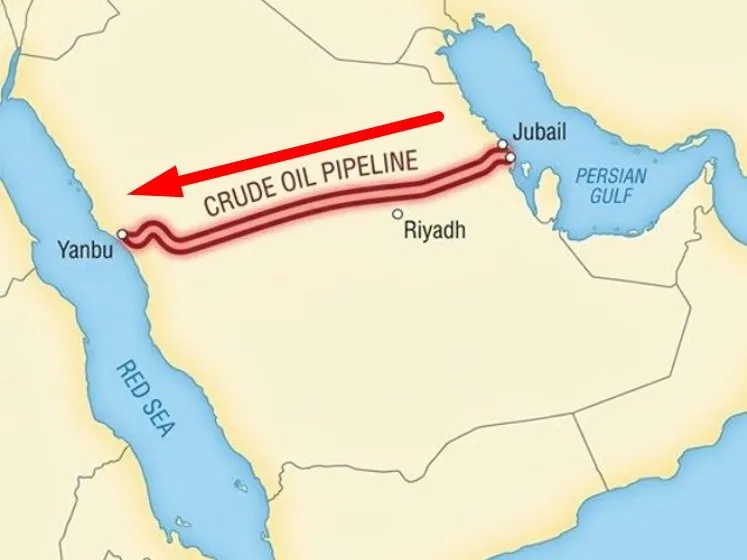
In response, Saudi Arabia moved to reduce its reliance on vulnerable sea lanes. The key development: the kingdom has been rerouting significant volumes of crude oil through its East-West pipeline to Red Sea ports, allowing exports to bypass the Gulf entirely and maintain steady supply despite mounting risks.