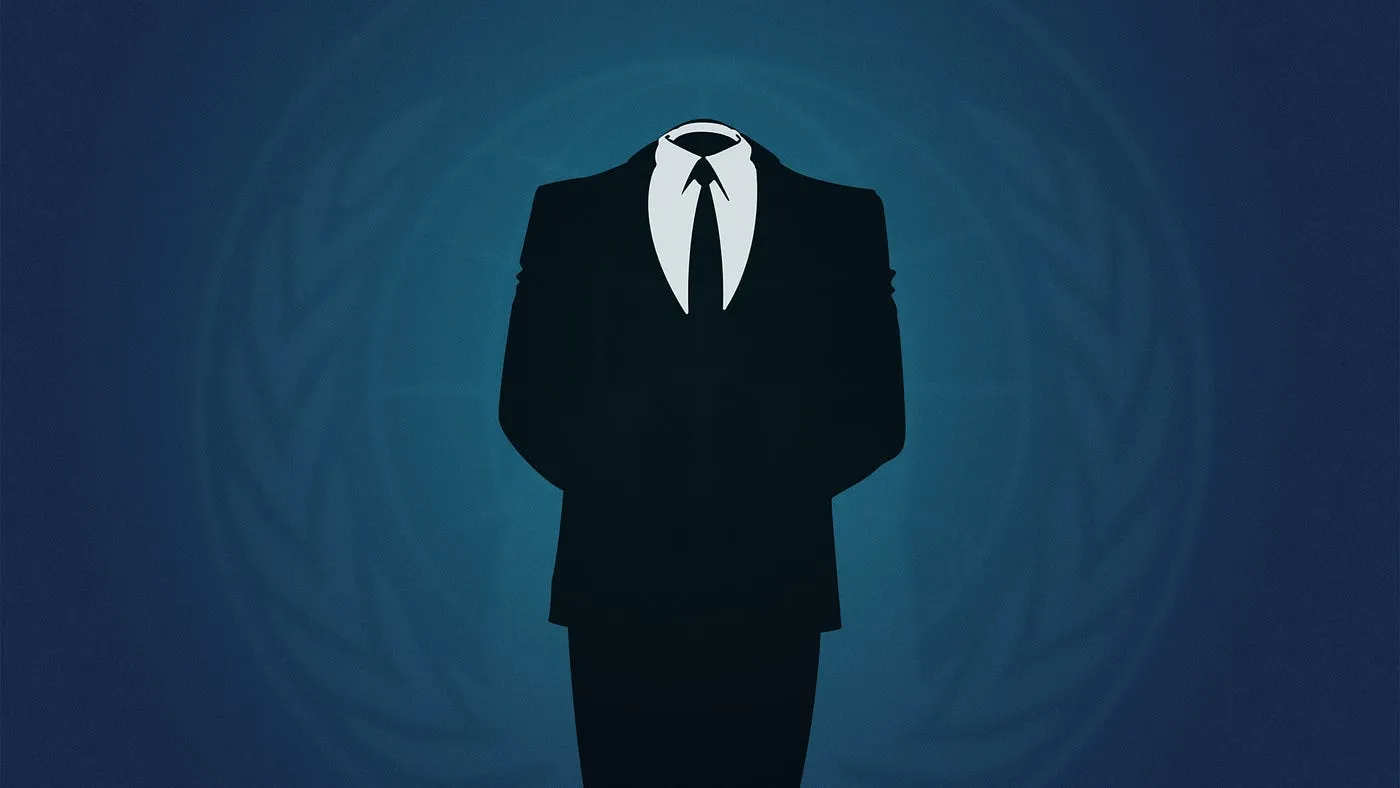
The reported unveiling of Satoshi Nakamoto, after years of speculation surrounding Banksy, reignites a central question: should journalism expose the identities of anonymous figures? Between the public’s right to know and the individual’s right to remain hidden, the line is increasingly blurred. Behind public curiosity lies a deeper ethical dilemma.
On one hand, the right to information supports disclosure. Figures like Nakamoto, creator of Bitcoin, have a profound impact on the global economy, which can justify greater transparency. Knowing who they are may help clarify their intentions and influence.
Accountability further strengthens this argument. Anonymity allows individuals to evade legal or moral responsibility despite far-reaching consequences. Revealing identities could ensure that influential actors are held accountable for their actions.
Finally, uncovering identities can dismantle myths. Anonymity fuels speculation, conspiracy theories, and potential manipulation for ideological or financial gain. Putting a real person behind a name may ground the debate in verifiable facts.
However, these arguments clash with equally fundamental principles. Respect for privacy remains a cornerstone of law, even for influential figures, and breaching anonymity can expose individuals to serious risks. In France, recent cases have shown how people connected to cryptocurrency wealth can become targets of violence: a magistrate and her mother were kidnapped and held for ransom in a crypto-related plot, highlighting the real-world dangers tied to visibility .
Moreover, identity is not always necessary to understand the work itself. In Banksy’s case, anonymity is part of the artistic message and its subversive power. As for Bitcoin, its decentralized nature means it operates independently of its creator.
Lastly, the pursuit of identities raises concerns about journalistic overreach. Investigations can shift from legitimate inquiry to intrusive pursuit, driven more by curiosity than public interest. In an age of limitless information, distinguishing between the two has become essential.
Ultimately, revealing or preserving anonymity forces a choice between two core values: the right to know and the right to remain unknown. A tension that is likely to intensify in a world where anonymity is both increasingly fragile and increasingly vital.